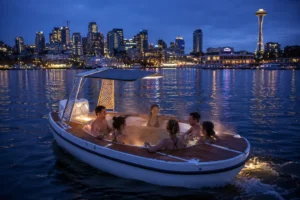
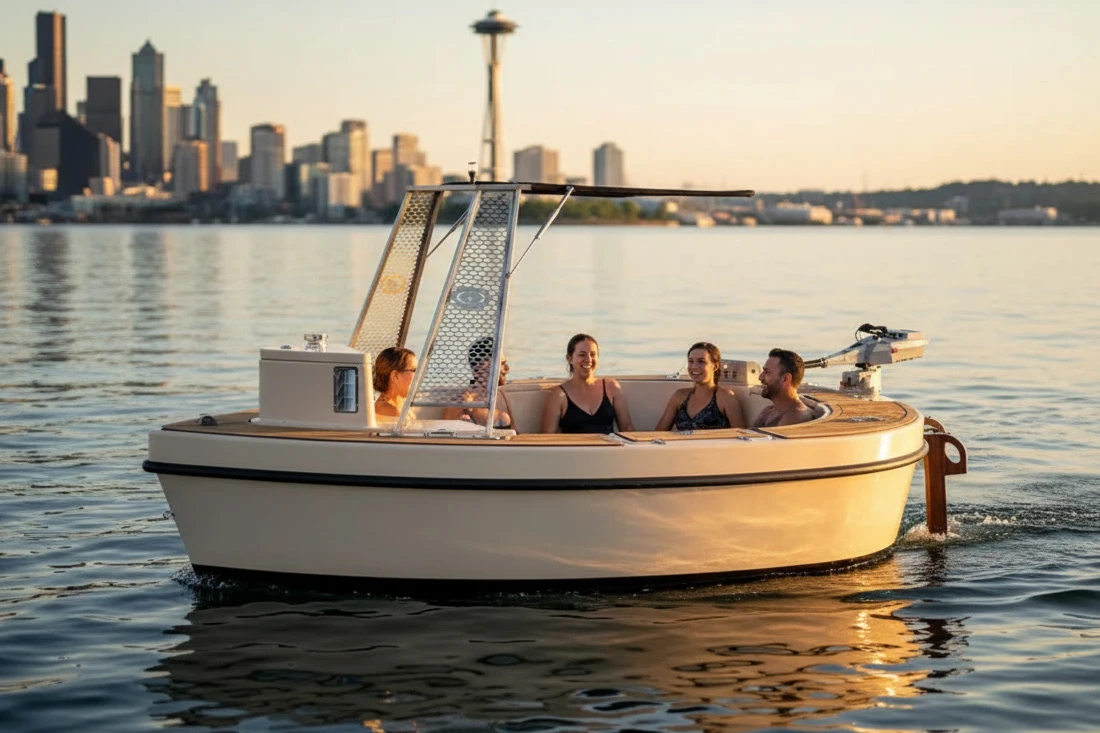
TL;DR: Perfect summer hot tub boat Lake Union sunset tips include launching 3-4 hours before sunset, finding calm spots away from busy areas, staying hydrated while managing sun exposure, packing easy no-spill foods and refreshing drinks, and following respectful boating etiquette. Seattle’s long summer evenings offer magical hot tub boat sunset viewing opportunities when you plan timing, location, and comfort essentials properly.
Best Times To Launch For Summer Evenings
Seattle’s spectacular summer sunsets create some of the most magical moments possible on Lake Union, but timing your departure correctly makes the difference between catching nature’s full light show and missing those precious golden hour moments. Understanding how daylight patterns, lake traffic, and weather conditions interact during summer evenings helps you plan launches that maximize your time on the water while ensuring you experience the full spectrum of colors that make Pacific Northwest sunsets legendary.
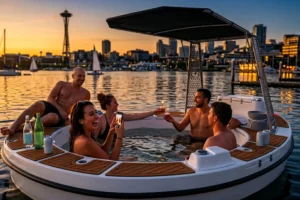
Launching late afternoon to catch golden hour requires more strategic planning than you might initially expect, as Seattle’s northern latitude creates extended twilight periods that transform the entire evening into a photographic opportunity. During peak summer months of June and July, sunset doesn’t occur until after 9 PM, with golden hour beginning around 7:30 PM and lasting well past 8:30 PM. This extended timeline allows for leisurely afternoon launches that build anticipation throughout the evening.
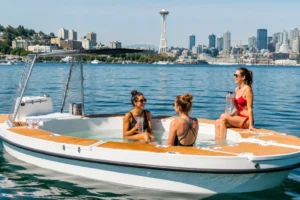
The optimal launch window for Lake Union summer boating Seattle experiences typically falls between 4:00 and 6:00 PM, providing 3-4 hours of daylight activities before the evening’s main event begins. This timing allows you to settle into your hot tub boat experience, explore different areas of the lake, enjoy food and beverages, and position yourself for optimal sunset viewing without feeling rushed or missing the spectacular color changes that begin well before the sun actually touches the horizon.
Earlier launches offer additional advantages during busy summer weekends when lake traffic reaches peak levels. Departing during mid-afternoon hours lets you claim preferred sunset viewing spots before they become crowded, while also allowing time to adjust your location if initial choices don’t provide the views or comfort you hoped for. The flexibility to relocate becomes valuable when you discover that seemingly perfect spots have unexpected challenges like boat wake exposure or obstructed sightlines.
Tide and traffic considerations on Lake Union play crucial roles in evening outing success, though many visitors don’t realize how significantly these factors impact their experience. While Lake Union doesn’t experience ocean tides, water levels can fluctuate based on rainfall, seasonal runoff, and operational decisions by the Army Corps of Engineers regarding the Ballard Locks system. These water level changes affect dock accessibility, shallow area navigation, and the appearance of shoreline features that serve as sunset viewing backdrops.
Traffic patterns on Lake Union follow predictable summer schedules that smart planners can use to their advantage. Weekday evenings typically see peak recreational boat traffic between 6:00 and 8:00 PM as workers finish their day and head out for evening relaxation. Weekend patterns spread more evenly throughout afternoon and evening hours but intensify around traditional meal times and sunset hours.
Understanding these traffic flows helps you plan routes and positioning that avoid congested areas while ensuring access to prime viewing locations. Popular sunset spots like the areas near Gasworks Park or the southern end of the lake near downtown Seattle can become quite crowded during peak times, making early positioning or alternative location scouting valuable strategies.
How daylight saving affects timing becomes particularly relevant for visitors from other regions or those planning outings during shoulder seasons when daylight patterns change rapidly. Seattle’s summer daylight extends far longer than many people expect, with usable light lasting until nearly 10:30 PM during peak summer months. This extended daylight creates opportunities for leisurely evening experiences but can also lead to underestimating how long activities will take or overestimating how much you can accomplish before optimal sunset viewing begins.
Planning your launch timing should account for the full evening experience you want to create rather than just the sunset itself. Consider factors like dining preferences, hot tub relaxation time, exploration desires, and social interaction goals when determining optimal departure times. Some groups prefer longer build-up periods with extensive relaxation and socializing, while others focus more intensively on the sunset viewing experience itself.
Choosing A Spot On Lake Union For Sunset
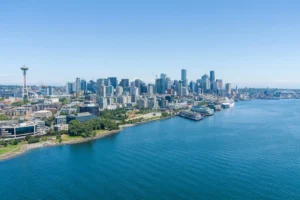
Selecting the perfect vantage point for your sunset viewing experience requires understanding how Lake Union’s unique geography, surrounding architecture, and seasonal characteristics create distinctly different viewing opportunities throughout the lake. The interplay between Seattle’s urban skyline, distant mountain ranges, and the lake’s varied shoreline topography means that relatively small changes in position can dramatically alter your sunset experience.
Popular calm coves and quieter viewing areas offer refuge from the busier central areas of Lake Union while providing excellent sunset perspectives that many visitors overlook. The northern sections of the lake, particularly areas near the Fremont Bridge and Woodland Park, tend to be less congested than southern locations while offering unobstructed western views that capture the full sunset progression. These areas often provide better protection from boat wakes generated by larger vessels transiting the main lake channels.
The eastern shoreline areas near the University of Washington and Portage Bay connection offer unique sunset viewing angles that showcase both the Olympic Mountains and Seattle’s skyline in dramatic silhouette. These locations work particularly well for photographers seeking to capture the city’s architectural features backlit by sunset colors, creating distinctly urban sunset compositions that differ from more natural mountain and water combinations available from other vantage points.
Quieter viewing areas often require some exploration to discover, as the most obvious locations tend to attract crowds during popular sunset times. Areas with slight geographic protection from prevailing winds and boat traffic create more comfortable hot tub experiences while maintaining excellent sight lines for sunset viewing. Look for locations with:
- Natural wind breaks from shoreline vegetation or topography
- Sufficient water depth to avoid grounding during water level fluctuations
- Clear western exposure without tall buildings or structures blocking sunset views
- Distance from busy boat channels that generate constant wake activity
- Scenic foreground elements like interesting shoreline features or vegetation
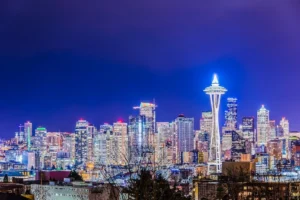
How skyline and mountain views change with light creates constantly evolving visual experiences that make sunset viewing from Lake Union particularly spectacular. As the sun progresses toward the horizon, the changing angle of light transforms Seattle’s skyline from bright daytime clarity to dramatic silhouette, with building windows reflecting golden and orange hues that create secondary light sources throughout the urban landscape.
The Olympic Mountains, visible on clear days as a distant backdrop to the west, undergo their own transformation during sunset hours. These peaks often appear as layered silhouettes in various shades of purple and blue, creating depth and visual interest that complements the warm colors of the sunset itself. The combination of urban and natural elements in a single view makes Lake Union sunset viewing uniquely Pacific Northwest in character.
Light changes begin well before the actual sunset, with subtle color shifts starting as much as an hour before the sun touches the horizon. Early evening light often brings out details in distant mountains and buildings that become invisible once stronger sunset colors dominate the sky. Positioning yourself to appreciate these gradual changes enhances the overall experience and provides more photographic opportunities than waiting for peak sunset moments alone.
Avoiding crowded docks and wake zones becomes essential for maintaining the peaceful, relaxing atmosphere that makes hot tub boat experiences special. Popular waterfront restaurants, marinas, and public docks attract concentrations of boat traffic that can create uncomfortable conditions for relaxation and sunset viewing. The constant movement of other vessels, engine noise, and wake action can transform serene hot tub relaxation into challenging balance exercises.
Wake zones near busy docks and channels require particular attention, as the cumulative effect of multiple boats can create rolling wave patterns that persist long after individual vessels pass. These conditions can make hot tub use uncomfortable or even unsafe, while also creating challenges for food and beverage service. Understanding typical traffic patterns helps you avoid these areas during their busiest periods.
Private docks and residential shoreline areas may seem like attractive viewing locations, but maintaining respectful distances from these areas preserves both privacy and positive relationships between boaters and shoreline residents. Many of Lake Union’s most scenic shoreline areas include private property that requires considerate navigation to appreciate views while respecting ownership boundaries.
Seasonal Considerations For Location Selection
Summer sunset positions shift throughout the season as the sun’s setting angle changes with the progression toward autumn. Early summer sunsets occur farther north along the western horizon, while late summer sunsets gradually shift southward. This progression affects which Lake Union locations provide optimal viewing angles, with some spots working better during different parts of the summer season.
Weather patterns also influence location selection, as prevailing wind directions, typical cloud formations, and atmospheric clarity vary throughout summer months. Understanding these patterns helps you choose backup locations when primary spots become unsuitable due to changing conditions.
Staying Comfortable In Warm Weather
Managing comfort during Seattle’s warm summer evenings requires balancing the desire to soak up beautiful weather with practical considerations for sun exposure, hydration, and temperature regulation that become more complex in hot tub boat environments. The combination of warm air temperatures, intense UV reflection off water surfaces, and the additional heat from hot tub activities creates unique comfort challenges that require thoughtful preparation.
Cooling off safely in the tub vs quick dips represents a critical safety and comfort decision that affects your entire evening experience. Hot tub temperatures that feel perfect during cooler months can become uncomfortably warm when combined with summer air temperatures and direct sunlight. Most hot tub boats allow temperature adjustment, and summer settings typically work best at 98-102°F rather than the 104-106°F that might be preferred during cooler seasons.
The temptation to cool off with quick dips in Lake Union requires careful consideration of water quality, safety, and local regulations. While Lake Union’s water quality has improved significantly in recent years, it’s still an urban lake that receives runoff from city streets and may contain bacteria levels that make swimming inadvisable. Additionally, jumping from boats creates safety risks including propeller hazards, difficulty reboarding, and potential conflicts with other boat traffic.
Alternative cooling strategies that maintain safety while providing relief include:
- Using spray bottles or misters to cool skin surface temperatures
- Applying cool, wet towels to pulse points like wrists and neck
- Taking breaks from hot tub activities to cool off in shaded areas
- Adjusting hot tub temperatures throughout the evening as conditions change
- Using cooling towels designed for athletic activities that provide extended cooling effects
Shade options and breathable fabrics become essential elements of your summer evening boat checklist that significantly impact comfort levels throughout your outing. While hot tub boats may include some shade structures, additional portable shade can transform your experience during the hottest parts of summer afternoons. Pop-up canopies, umbrellas, or shade sails create crucial relief areas that allow you to enjoy the full evening without being confined to water-based cooling.
Fabric choices for summer boating should prioritize moisture-wicking properties, UV protection, and quick-drying capabilities that work well in marine environments. Synthetic materials designed for athletic activities often outperform cotton in boat settings, as they maintain comfort when wet and dry quickly between hot tub sessions and cooler evening air exposure.
Consider clothing options that serve multiple functions throughout your evening experience. Light-colored, long-sleeved shirts provide sun protection during intense afternoon periods while offering warmth during cooler sunset and evening hours. Convertible pants that zip off into shorts allow adaptation to changing temperatures without requiring complete clothing changes.
Hydration tips and alcohol moderation take on increased importance during summer hot tub activities, as the combination of warm weather, sun exposure, and elevated water temperatures can lead to faster dehydration than many people expect. Hot tub use increases fluid loss through perspiration, even when you don’t feel like you’re sweating due to constant water contact that masks normal perspiration indicators.
Effective hydration strategies for summer hot tub boat outings include drinking water consistently throughout the afternoon and evening rather than waiting until you feel thirsty, alternating alcoholic beverages with water or other non-alcoholic options, choosing beverages with electrolyte replacement properties for extended outings, and avoiding excessive caffeine intake that can contribute to dehydration.
Alcohol moderation becomes particularly important in hot tub environments where elevated temperatures can intensify alcohol’s effects while dehydration increases impairment risks. Many boaters find that summer hot tub experiences are actually more enjoyable with lighter alcohol consumption that maintains clear thinking for sunset appreciation and navigation activities.
Sun Protection Strategies
UV exposure on water reaches dangerous levels much faster than on land due to reflection from water surfaces that can increase UV intensity by 10-15%. This reflected radiation reaches areas typically protected by hats or clothing, including under chins, inside nostrils, and through thin fabrics, making comprehensive sun protection essential for comfortable summer boating.
Sunscreen application for boat activities requires more frequent reapplication than typical outdoor activities due to water contact, towel use, and extended exposure periods. Water-resistant formulations maintain protection better during hot tub activities, but no sunscreen remains fully effective after extended water immersion without reapplication.
Refreshing Food And Drink Ideas
Creating the perfect culinary experience for summer evening hot tub boat outings requires balancing appetizing flavors with practical considerations like heat sensitivity, spill potential, and storage limitations that are unique to marine environments. The goal is selecting foods and beverages that enhance your sunset experience while avoiding items that become unappetizing, messy, or unsafe in warm weather boat conditions.
No-spill snacks and easy grilling alternatives address the reality that traditional picnic foods often don’t translate well to boat environments where constant motion, limited flat surfaces, and the potential for water contact can quickly turn appealing meals into frustrating cleanup challenges. The key lies in choosing items that remain delicious and manageable regardless of boat conditions or weather changes.
Excellent no-spill snack options that work perfectly for summer boat outings include individual portions of trail mix or nuts that won’t scatter if containers tip, fresh fruit selections like grapes, berries, or melon balls that provide hydration along with nutrition, cheese and crackers packaged in separate containers to prevent sogginess, and pre-made sandwiches or wraps that hold together well and pack efficiently in coolers.
Easy grilling alternatives that capture the flavors of outdoor cooking without requiring actual grills include pre-cooked items that taste great at room temperature or cold, marinated vegetables that develop flavor during storage and don’t require heating, and prepared items from quality delis or restaurants that specialize in portable foods designed for outdoor consumption.
Consider foods that actually improve or maintain quality during your outing rather than deteriorating. Marinated items like caprese skewers, Mediterranean wraps, or Asian-inspired cold noodle salads often taste better after flavors have time to meld during transport and storage. These items also provide more interesting flavor profiles than typical boat snacks while remaining practical for marine consumption.
Food packaging strategies become crucial for maintaining quality and preventing contamination in boat environments. Waterproof containers protect against spray and rain while preventing cross-contamination between different food items. Individual portions reduce waste and make serving easier in environments where traditional plates and utensils may be impractical.
Cold mocktails and summer-friendly beverages create refreshing experiences that complement hot tub activities while supporting the hydration needs that summer boating demands. The visual appeal of well-crafted beverages adds to the special occasion feeling that makes sunset hot tub experiences memorable, while alcohol-free options ensure everyone can participate safely in boating activities.
Popular summer mocktail ideas that work well in boat environments include:
- Fruit-infused water combinations like cucumber mint or berry basil that provide flavor without added sugars
- Sparkling water with fresh fruit juices that create festive presentations without complicated preparation
- Iced herbal teas with natural fruit flavors that provide antioxidants along with refreshment
- Coconut water-based drinks that offer natural electrolyte replacement with tropical flavors
- Frozen fruit smoothies that provide cooling effects along with nutritional benefits
Beverage presentation can enhance the special occasion atmosphere of sunset viewing without requiring complicated preparation or expensive ingredients. Simple garnishes like fresh mint, fruit slices, or decorative ice cubes create appealing visuals that photograph well and make ordinary beverages feel more special.
Storage considerations for beverages include ensuring adequate cooling capacity for the full duration of your outing, using spill-proof containers that won’t create messes during boat movement, and selecting beverages that remain appealing even if they warm slightly during extended outings. Insulated containers and plenty of ice help maintain optimal temperatures, while backup beverage options provide alternatives if primary choices don’t work as expected.
Waste reduction and pack-out reminders reflect the environmental responsibility that comes with enjoying Lake Union’s natural beauty and ensuring these resources remain available for future generations. Summer boating season brings increased recreational pressure to the lake, making individual responsibility for waste management more important than during less busy seasons.
Effective waste reduction strategies include choosing products with minimal packaging, bringing reusable containers and utensils instead of disposable alternatives, planning portions carefully to minimize leftover food that might spoil during transport, and packing designated containers for different types of waste to facilitate proper disposal upon return to shore.
Pack-out principles require removing all waste from the lake area, including organic items like fruit peels or food scraps that might seem harmless but can disrupt local ecosystems when concentrated in popular recreation areas. Even biodegradable items should be packed out and disposed of properly at shore-based facilities rather than being left in the lake environment.
Special Dietary Considerations
Planning for guests with dietary restrictions or preferences ensures everyone can fully enjoy the food aspects of your sunset outing. Common considerations include vegetarian and vegan options, gluten-free alternatives, and foods that accommodate common food allergies without requiring separate preparation areas that may be impractical in boat environments.
Communication about dietary needs before your outing allows for proper planning and ensures no one feels excluded from the food experience that often forms a central part of social boat gatherings.
Respectful Boating: Noise And Local Etiquette
Practicing thoughtful boating etiquette ensures that Lake Union remains an enjoyable destination for all users while preserving the peaceful atmosphere that makes sunset hot tub experiences truly special. Understanding and following local customs, regulations, and consideration practices contributes to positive relationships between different lake user groups and helps maintain Lake Union’s reputation as a premier recreational destination in the heart of Seattle.
Keeping music at respectful volume requires understanding how sound travels differently over water and how acoustic conditions change throughout the evening hours that define your sunset experience. Sound carries much farther over water than over land, meaning that music volumes that seem reasonable on your boat may be clearly audible to people much farther away than you realize. This amplification effect becomes more pronounced during calm evening conditions when ambient noise levels drop and atmospheric conditions favor sound transmission.
Respectful volume guidelines suggest keeping music at conversational levels that allow normal discussion among your group without requiring raised voices. If people on your boat need to speak loudly to be heard over music, the volume is likely too high for considerate lake sharing. Many experienced boaters use the “50-foot rule” as a guideline, keeping music at levels that become inaudible beyond approximately 50 feet from their boat.
Evening considerations for music volume become more important as sunset approaches and the peaceful atmosphere that attracts many sunset viewers requires quieter conditions for full appreciation. The transition from daytime recreational boating to evening sunset viewing often calls for corresponding adjustments in music volume and type that complement rather than compete with the natural sounds of water and wildlife that enhance sunset experiences.
Alternative entertainment options that maintain atmosphere without creating noise concerns include acoustic instruments played at moderate volumes, nature sound apps that complement rather than mask lake ambiance, and conversation games or activities that encourage social interaction without external sound requirements. Many groups find that sunset periods are naturally conducive to quieter activities that allow full appreciation of the visual and auditory experiences that make Lake Union special.
Being mindful of private docks and swimmers requires understanding the various types of lake users and property owners who share Lake Union waters throughout summer evenings. Residential properties along Lake Union shorelines often include private docks where owners expect reasonable privacy and quiet enjoyment of their waterfront investments. Commercial properties may have operational requirements that call for different consideration approaches.
Swimmer and small watercraft awareness becomes particularly important during warm summer evenings when paddle boarders, kayakers, and occasionally swimmers use Lake Union waters despite official recommendations against swimming in urban lakes. These users may be less visible than larger boats and require extra vigilance from hot tub boat operators who have limited visibility while relaxing in elevated tubs.
Safe distance guidelines suggest maintaining at least 100 feet from private docks and residential shorelines unless specifically invited closer, giving right-of-way to human-powered vessels like kayaks and paddle boards that have less maneuverability than motorized boats, and avoiding anchoring or positioning in areas that appear to be regular swimming or diving spots, even if no one is currently in the water.
Communication with other lake users should emphasize friendly waves, clear signals when changing direction or speed, and willingness to adjust positioning when conflicts arise over preferred locations or activities. The goal is sharing the lake resource rather than competing for exclusive use of particular areas or features.
Leaving the Lake Union shoreline cleaner than you found it reflects a conservation ethic that ensures future generations can enjoy the same recreational opportunities that make your sunset hot tub experiences possible. This principle extends beyond simply avoiding littering to actively contributing to lake environment improvement through responsible practices and occasional cleanup activities.
Practical applications of this principle include:
- Collecting any litter you encounter during your outing, whether or not it originated from your group
- Securing all personal items to prevent accidental loss overboard that contributes to lake pollution
- Using biodegradable soaps and cleaners if boat washing becomes necessary during your outing
- Reporting significant environmental concerns or hazards to appropriate authorities
- Participating in organized lake cleanup activities when possible
Environmental awareness should guide decisions about product choices, waste disposal, and interaction with wildlife that may be encountered during evening hours when many species become more active. Avoiding the feeding of birds or other wildlife helps maintain natural behavior patterns and prevents dependency that can disrupt ecosystem balance.
The cumulative impact of individual choices made by recreational boaters significantly affects Lake Union’s environmental health and recreational sustainability. Summer months bring concentrated usage that amplifies both positive and negative impacts, making individual responsibility more important during peak seasons when your hot tub boat outings take place.
Community Building Through Respectful Practices
Positive interactions with other boaters, shoreline residents, and lake users create a community atmosphere that enhances everyone’s experience while building support for continued recreational access and environmental protection. Simple courtesies like friendly greetings, willingness to share information about conditions or interesting sightings, and cooperative approaches to space sharing contribute to the welcoming atmosphere that makes Lake Union special.
Leading by example in respectful boating practices influences other lake users and contributes to cultural norms that protect the resource for future enjoyment. Your commitment to thoughtful lake use becomes part of the collective stewardship that preserves Lake Union as a premier urban recreational destination.
Summer evenings on Lake Union offer some of Seattle’s most spectacular natural displays, transforming an urban lake into a front-row seat for sunsets that rival any natural amphitheater. The magic happens when thoughtful preparation meets the Pacific Northwest’s generous summer light, creating experiences that capture the essence of what makes Seattle summers truly special. Whether you’re watching the Olympics fade to purple silhouettes or seeing downtown’s glass towers catch the last golden rays, these moments remind you why people fall in love with this corner of the world.